|
|
|

|
Chapter 3 Leafleting
Snappy Page Essence Produce and hand out eye-catching, informative flyers to reach out to people and tell them what you have to say. 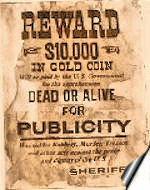 "Publicity, publicity, publicity is the greatest moral factor and force in our public life." Attributed to Joseph Pulitzer (1847 - 1911). Why Leafleting? You might be working in a small group, undercover or alone and may not want publicity. Alternatively, you may want to reach out to people to influence them with what you have got to say. A good way to start is by producing good looking, quick to read and informative leaflets. Leaflets are a kind of open letter to catch people's eye and be read by anyone. They are an opportunity to introduce your cause, state your argument and draw attention to your group or an event you are planning. People can take your leaflets home with them as a reminder for future action. No doubt many leaflets are quickly discarded but one single leaflet can be passed around and read my many people. Design Well written and attractively designed material indicates competence so be sure to consider the following. The design, layout and argument of your leaflet should be interesting, memorable and persuasive. Take a tip from the marketing profession and hit your audience with 'AIDA' by getting their:
Make your leaflet uncluttered and look good to the eye. Leaflets are more attractive and easier to read with lots of white (empty) space around text. Break up the text with headings and bullet points. Use colour, graphics or pictures to create interest. Size of paper? Leaflets should be large enough for your message but small enough for people to handle easily and shove into their pockets. But big leaflets look more important. You can make your leaflet on an ordinary size of paper (such as size A4) that fits a desktop printer or a photocopier. To make a smaller leaflet, fold it in half (size A5) and fold that again for a smaller size if necessary (size A6). Printing You do not need a commercial printer. Churn out your leaflets yourself; the learning curve might be steepish but it is quicker and cheaper in the long-term and you have more control over the final result. Lay out your leaflet on a computer in a normal text editor; you do not need expensive specialist editing software. If you do not have a computer, look for a friend who has, or hire one by the hour at a cafe, or use one free at a public library. The last step is to print off a single copy; do this on a good printer, say at a library or at your college or office, then photocopy it as many times as you need. Distribution Get rid of your leaflets; no point hoarding them. Stand in the street and hand them out. Spread them on your information table (see Chapter 3: Solo Information Worker). Pass them along at demonstrations and protests. Leave them anywhere they will catch someone's eye, at a cafe or bar. Provided your leaflets do not say inflammatory or rude things, you can ask libraries and other institutions to put them on their notice boards and circulate them to sub-branches. Distribute them to private houses - labour intensive but a way of discussing your issue with householders if they open the door to you - and good for drumming up local people for one of your events. Pick places relevant to your campaign when distributing your leaflets in the street, such as outside a furrier or a supermarket. Go up to people, make eye contact and with a smile make a brief positive remark such as 'Please read this', or 'Please support our ...', then move on if they do not engage you in conversation. If they ask about what you are doing, reply succinctly in a sentence or two. Prepare some brief answers ahead of time to questions such as, "Who's doing this?" or "What's this all about?" Get into irrelevant and distracting conversation and you will not be able to hand out your leaflets, unless you have bags of time. If people argue, courteously ask them to read the leaflet and contact you later for a discussion. Ensure you have a pen and paper handy to take anyone's contact details if they are interested in joining you. Posters & Placards From producing leaflets you can progress to developing your own posters and placards. Posters are like leaflets but much bigger. They are good for promoting an event or strengthening an image, message or slogan: "The greatest threat to people is ignorance; the greatest threat to animals is ignorant people". There are laws about the legality of displaying posters, so find out how the law may affect you. Go on to make placards (posters on poles) that you can wave around at demonstrations and rallies; they might be pictured in to the press or on television if the news media are present. Get your message across by other means too, such as printed on T-shirts - see web sites like CafePress.com that provide you with a simple means for doing this. Also see Newsletters in the entry Starting a Group, Chapter 3. ›› To Entries & Home |
Free Illustrations
|